
Sutures vs Stitches: Which One Is Right for Injury?
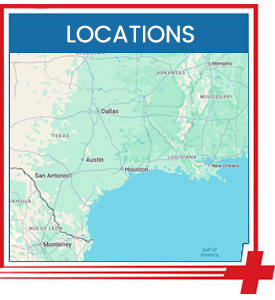
Sutures and stitches are both used to close wounds, but they differ in technique and material. Sutures refer to the actual thread or material used to close the wound, while stitches describe the process of stitching the wound closed. Dr. Curtis Grote, MD, at Fast Aid Urgent Care, explains that the choice between sutures and stitches depends on the type, size, and location of the injury. For more information, contact us or join the virtual line. We have convenient locations to serve you in Bulverde Rd San Antonio TX, Bastrop TX, Alamo Ranch San Antonio TX, La Grange TX, Leon Springs San Antonio TX, New Braunfels TX, Potranco Road San Antonio TX, Dripping Springs TX, Lemon Creek Boerne TX, and Belle Chasse LA.
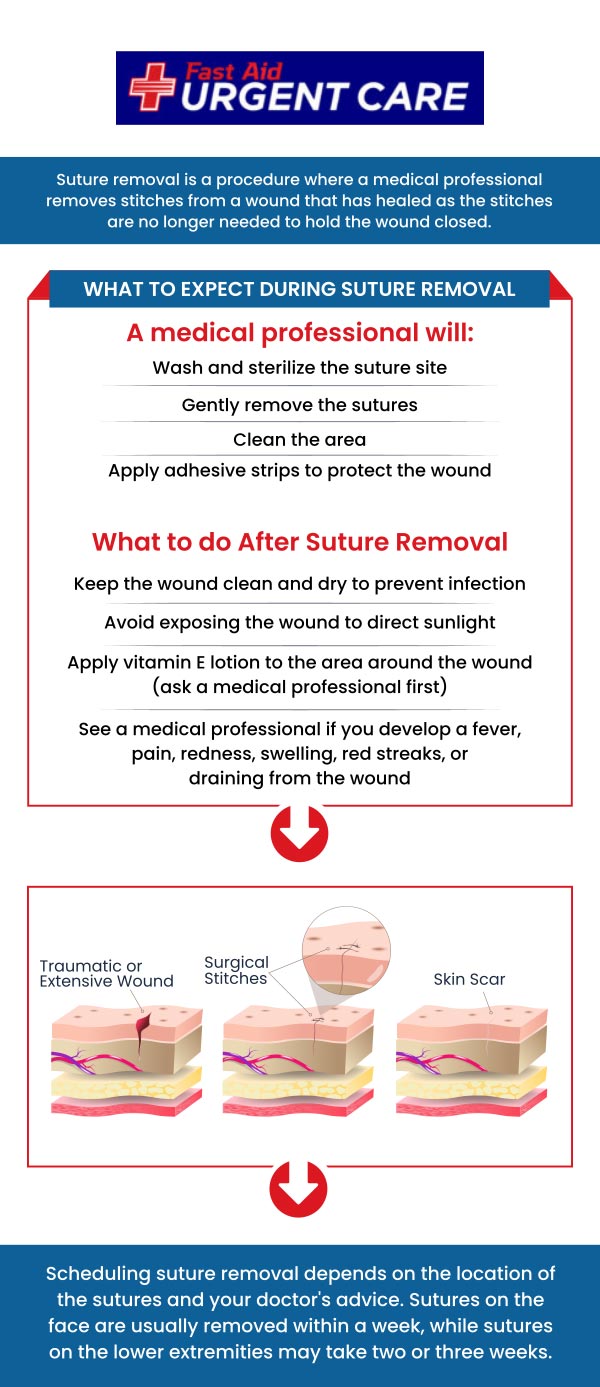
Table of Contents:
Are sutures stronger than stitches?
Can stitches be dissolved like some sutures?
Which method is more common for wound closure: sutures or stitches?
How do I take care of my wound according to Dr. Curtis Grote, MD after sutures or stitches are applied?
At Fast Aid Urgent Care, we often hear patients use the terms “sutures” and “stitches” interchangeably when discussing wound care. While both refer to the process of closing a wound, there are some key distinctions. Medically, a “suture” is the actual thread or filament material that our healthcare professionals use to bring the edges of a wound together. A “stitch,” on the other hand, describes the individual loop or placement of that suture material through your skin or tissue.
When you visit Fast Aid Urgent Care for a cut, laceration, or minor surgical procedure, you might wonder whether sutures or stitches are stronger. In reality, the strength of your wound closure depends on several factors: the type and quality of the suture material we select, the specific stitching technique our providers use, and the area of your body being treated. We have access to a variety of suture materials—both absorbable and non-absorbable—with different thicknesses and compositions to best suit each unique injury.
Ultimately, it’s not a matter of sutures being stronger than stitches or vice versa. A secure, effective wound closure comes from using the right suture material and technique for your particular situation, applied by our skilled and experienced medical team. This careful approach helps your wound heal properly and reduces the risk of complications.
At Fast Aid Urgent Care, we understand that getting stitches can be stressful, and you may have questions about your treatment. Some stitches, known as absorbable or dissolvable sutures, are designed to dissolve on their own within the body over time. These special sutures are made from materials that your body’s natural enzymes can break down and absorb, so there is no need for a follow-up appointment just to remove them. Dissolvable stitches are often used for internal wounds, after certain procedures, or in areas where removing stitches would be difficult or uncomfortable.
The amount of time it takes for dissolvable sutures to disappear varies, from a few days to several weeks, depending on the type of material used and the location of your injury.
Other stitches, called non-absorbable sutures, are made from materials like nylon, polypropylene, or silk. These do not dissolve and must be removed by a healthcare professional after your wound has healed. Our experienced medical team will carefully choose the right type of stitches for your specific injury and explain the care instructions to you.
At Fast Aid Urgent Care, our medical team is highly experienced in treating a wide range of wounds, and one of the most common procedures we perform is wound closure using sutures—often referred to as stitches. While these terms are often used interchangeably, there is a subtle difference: sutures refer to the medical materials (such as special threads or synthetic fibers) used to close a wound, while stitches describe the actual act or technique of sewing the wound together with those materials.
When you visit Fast Aid Urgent Care for a cut, laceration, or other open wound, our providers will carefully assess the injury and determine the best closure method. In most cases, suturing (stitching) is the preferred method because it effectively brings wound edges together, promotes faster and safer healing, and helps minimize scarring. However, depending on the location and size of your wound, your age and health, risk of infection, and cosmetic concerns, our team may recommend alternative closure methods such as staples, adhesive strips (like Steri-Strips), or surgical glues.
No matter which method is used, your care and comfort are our top priorities. Our urgent care professionals will ensure that your wound is closed securely and with minimal discomfort. If you or a loved one experiences a cut or laceration that may require stitches, visit Fast Aid Urgent Care—we’re here to provide prompt, expert wound care when you need it most.
If you have received sutures or stitches from Dr. Curtis Grote, MD, at Fast Aid Urgent Care, proper wound care is important to support healing and reduce the risk of infection. Please follow these guidelines:
●Keep it Clean and Dry: For the first 24 to 48 hours, keep your wound clean and dry as directed by our medical team. If your provider says gentle washing is allowed, cleanse the area with mild soap and water, then carefully pat it dry. Avoid soaking the wound in bathtubs, hot tubs, or swimming pools until your stitches are removed or you are told it is safe.
●Monitor for Signs of Infection: Check your wound daily for increased redness, swelling, warmth, pain, unusual drainage, or foul odor. If you notice any of these symptoms, contact Fast Aid Urgent Care right away.
●Change Dressings as Directed: Follow our instructions for changing any dressings, using clean hands and sterile supplies. Do not pick at scabs or the stitches themselves, as this can delay healing and increase the risk of scarring.
●Protect Your Wound: Avoid trauma or excessive movement, especially if the wound is near a joint or an area that bends often. Follow our recommendations on activity restrictions, and avoid any strenuous activities that could put stress on the sutured area. If adhesive strips or special tapes were used, let them fall off naturally unless we advise otherwise.
●Follow-Up Care: Make sure to attend your follow-up appointment at Fast Aid Urgent Care for suture removal or a wound check. Timely removal of stitches is important to minimize scarring and prevent complications.
If you have any questions or concerns as you heal, don’t hesitate to contact the Fast Aid Urgent Care team. We are here to help ensure the best possible outcome for your recovery. For more information, contact us or join the virtual line. We serve patients from Bulverde Rd San Antonio TX, Windcrest TX, Selma TX, Bastrop TX, Paige TX, Smithville TX, Alamo Ranch San Antonio TX, Leon Valley TX, Helotes TX, La Grange TX, Rabbs Prairie TX, Halsted TX, Leon Springs TX, Fair Oaks Ranch TX, Cross Mountain TX, New Braunfels TX, Hunter TX, Zorn TX, Potranco Road San Antonio TX, Rio Medina TX, Rolling Oaks Estates TX, Dripping Springs, TX, Saddletree Ranch TX, Belterra TX, Lemon Creek Boerne TX, Scenic Oaks TX, Fair Oaks Ranch TX, Belle Chasse LA, Timberlane LA, Woodmere LA, and surrounding areas.

Additional Services You May Need
▸ Urgent Care
▸ Walk-in Family Care
▸ Children’s Health
▸ Sports Physicals
▸ DOT Physicals
▸ Pediatric Urgent Care
▸ Immunization
Additional Services You May Need
▸ Urgent Care
▸ Walk-in Family Care
▸ Children’s Health
▸ Sports Physicals
▸ DOT Physicals
▸ Pediatric Urgent Care
▸ Immunization




 How May I Help You?